
Inflation: why your money is worth less each year
The same notes buy a little less each year. Understanding inflation helps you make better saving decisions.
Pablo Barriocanal
Published on Updated on 1 min read
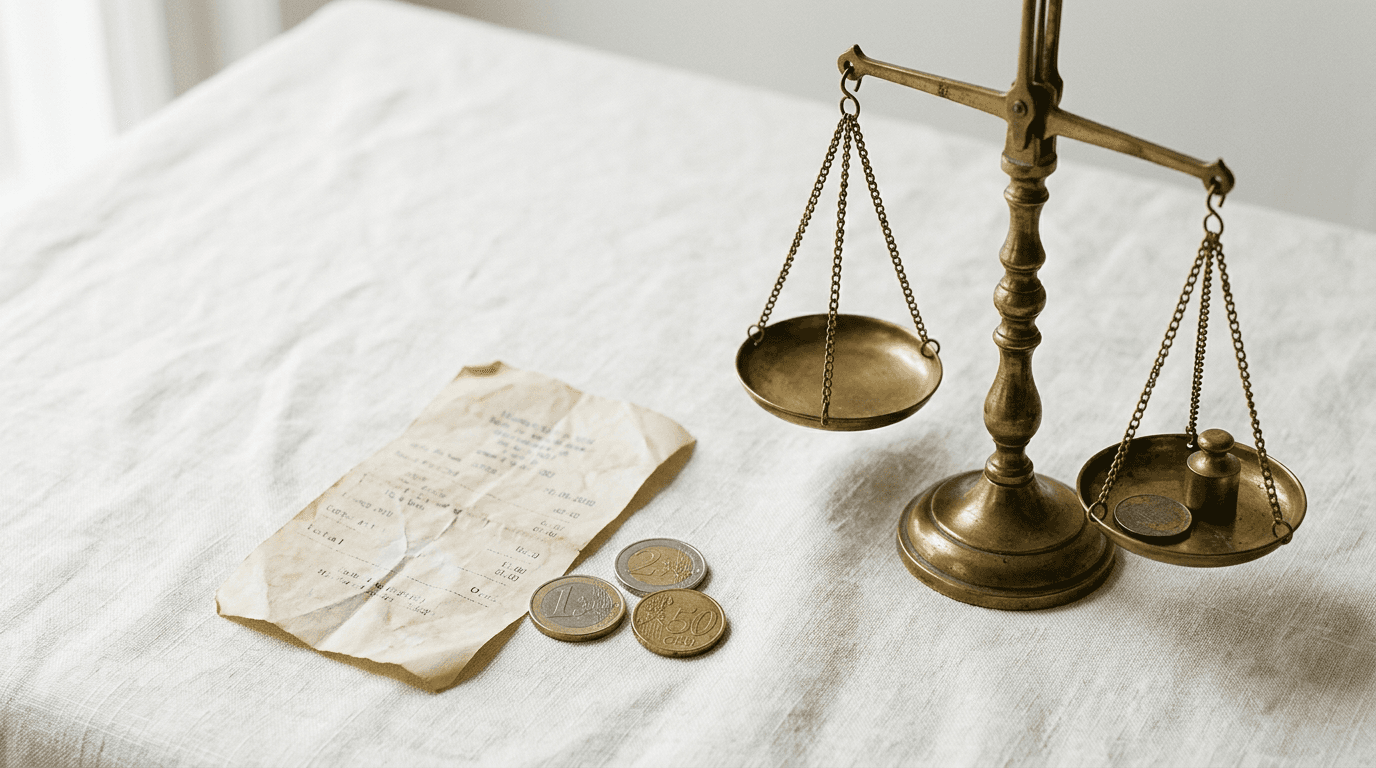

Inflation is the general rise in prices over time. When prices rise, each euro buys a little less. You do not lose banknotes, but you lose some of what they can buy.
The shopping basket
Think about your weekly shop. If it costs 100 euros today and inflation is 3%, the same shop will cost 103 euros in a year.
The amount in your account is unchanged. Its value is what has changed.
€74
Why everything gets more expensive
The causes vary and often overlap:
- Demand exceeds supply. If many people want the same thing, its price rises.
- Higher production costs. Energy or raw materials make goods more expensive to produce.
- Expectations. If everyone expects rises, businesses adjust prices in advance.
Central banks, such as the European Central Bank, aim to keep inflation close to 2%. A moderate level is considered healthy for the economy; a high one is a problem.
What it means for your savings
Idle money is not standing still: it gradually loses value. That is why you should always consider the real return—what you earn after inflation.
If your savings earn 2% and inflation is 3%, you are actually losing 1% a year.
Would you like to discuss it with us?
Write to us